
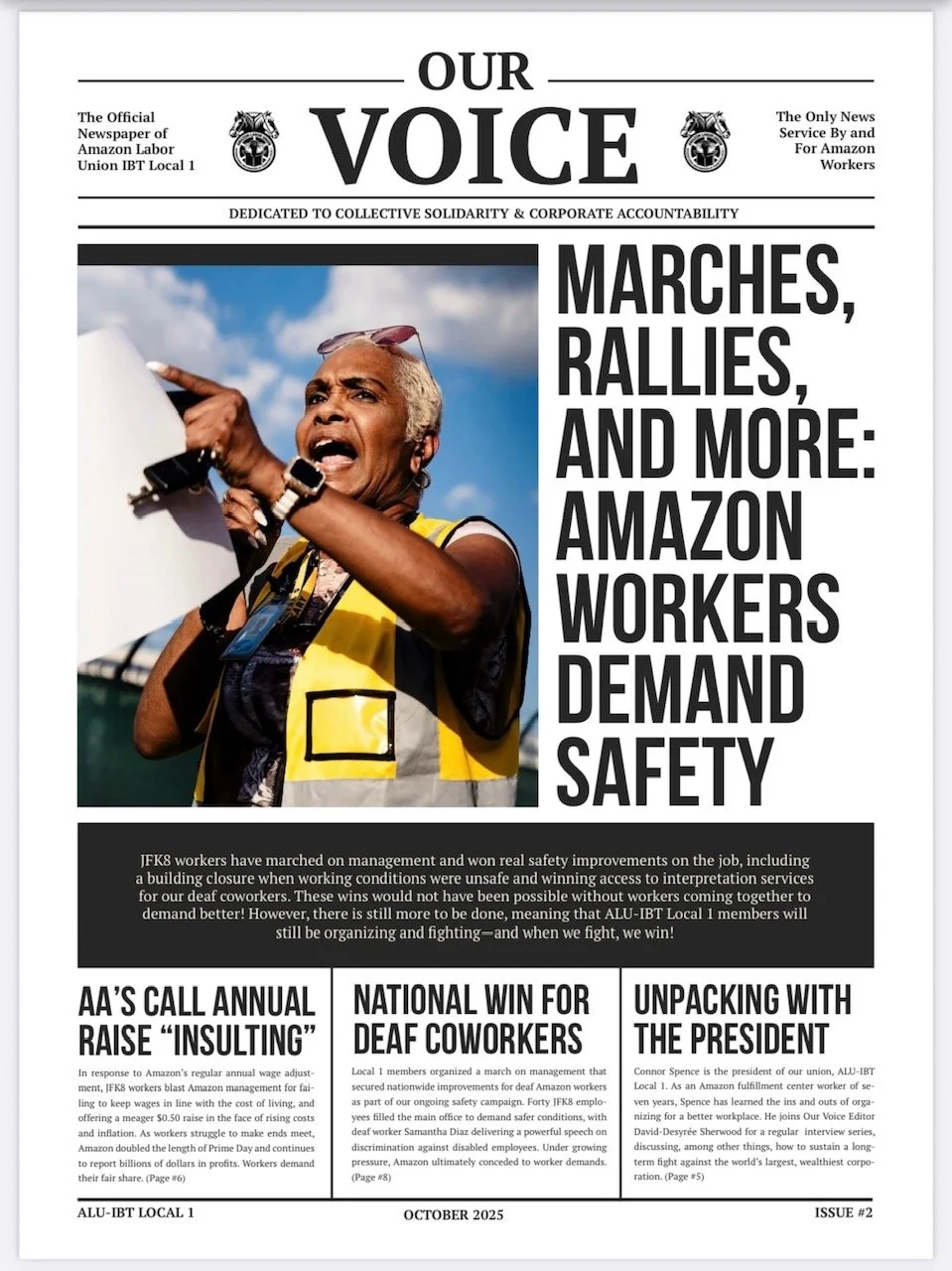
Health and Safety Campaign
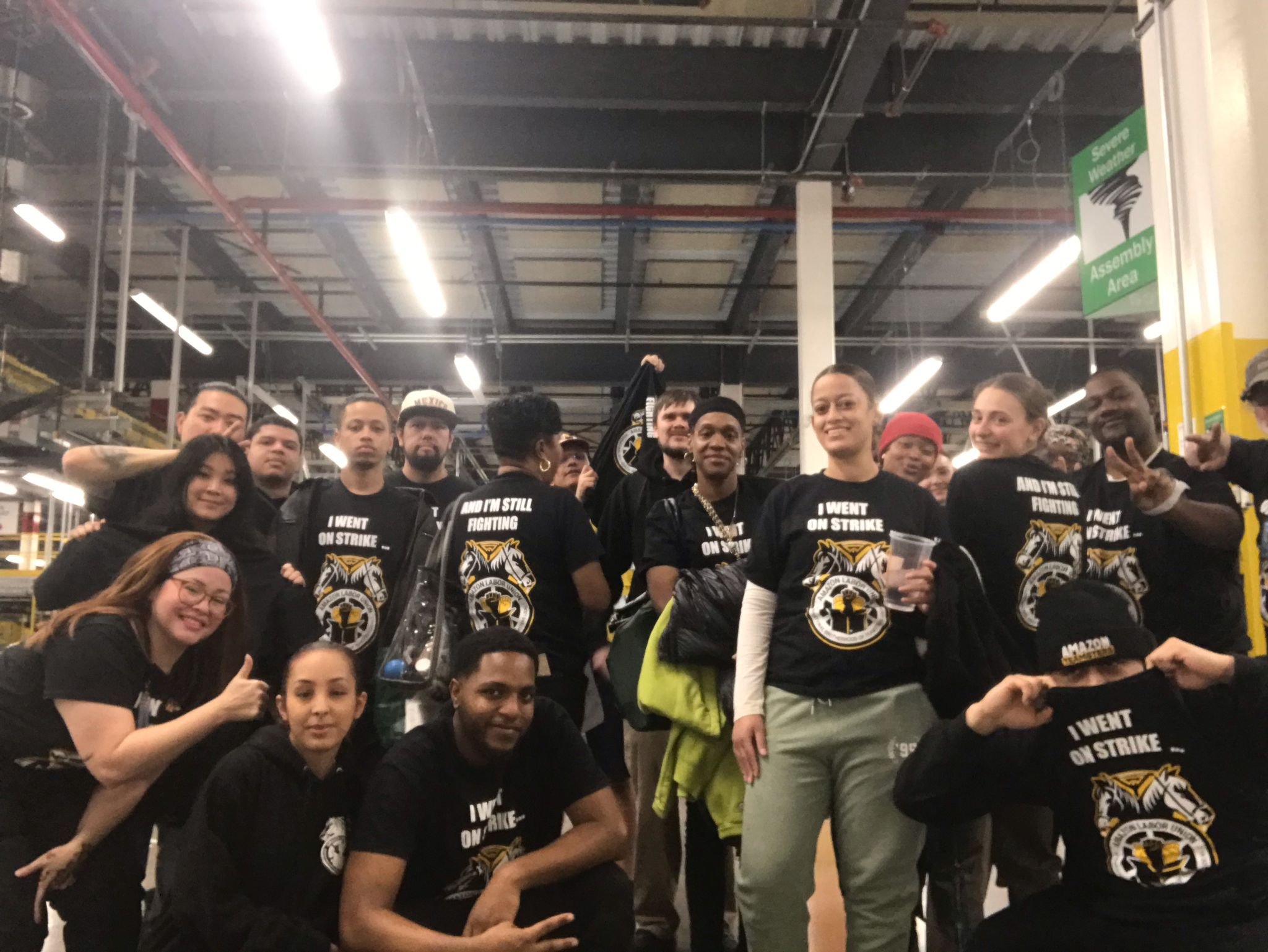
Following our December 2024 strike, ALU-IBT Local 1 convened a worker-leader strategy summit to chart the next phase of our fight. This process was intentionally structured to ensure worker leadership drove decision-making and strategy reflected shop floor realities.
The outcome was the development of a worker-led comprehensive safety campaign, anchored by collectively defined priorities. At its center, we established our Safety Bill of Rights, a set of five core demands representing the most urgent and widely shared safety concerns across JFK8.
Campaign Achievements
1. Building Worker Leadership & Infrastructure
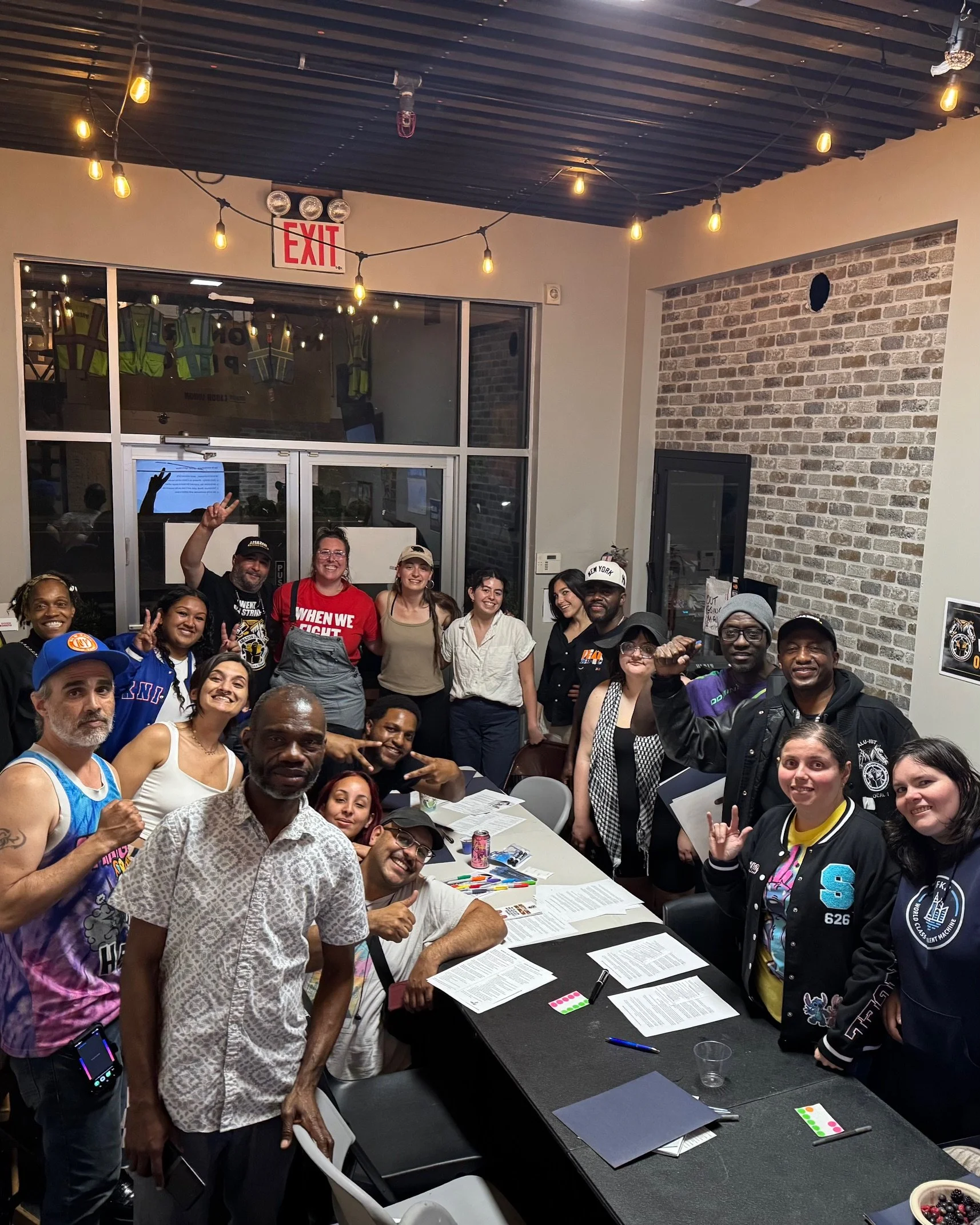
Trained a structured network of stewards and activists spanning all work-areas at JFK8 in our organizing fundamentals program to create a coordinated, shop floor–rooted leadership structure capable of organizing across departments and sustaining collective action at scale.
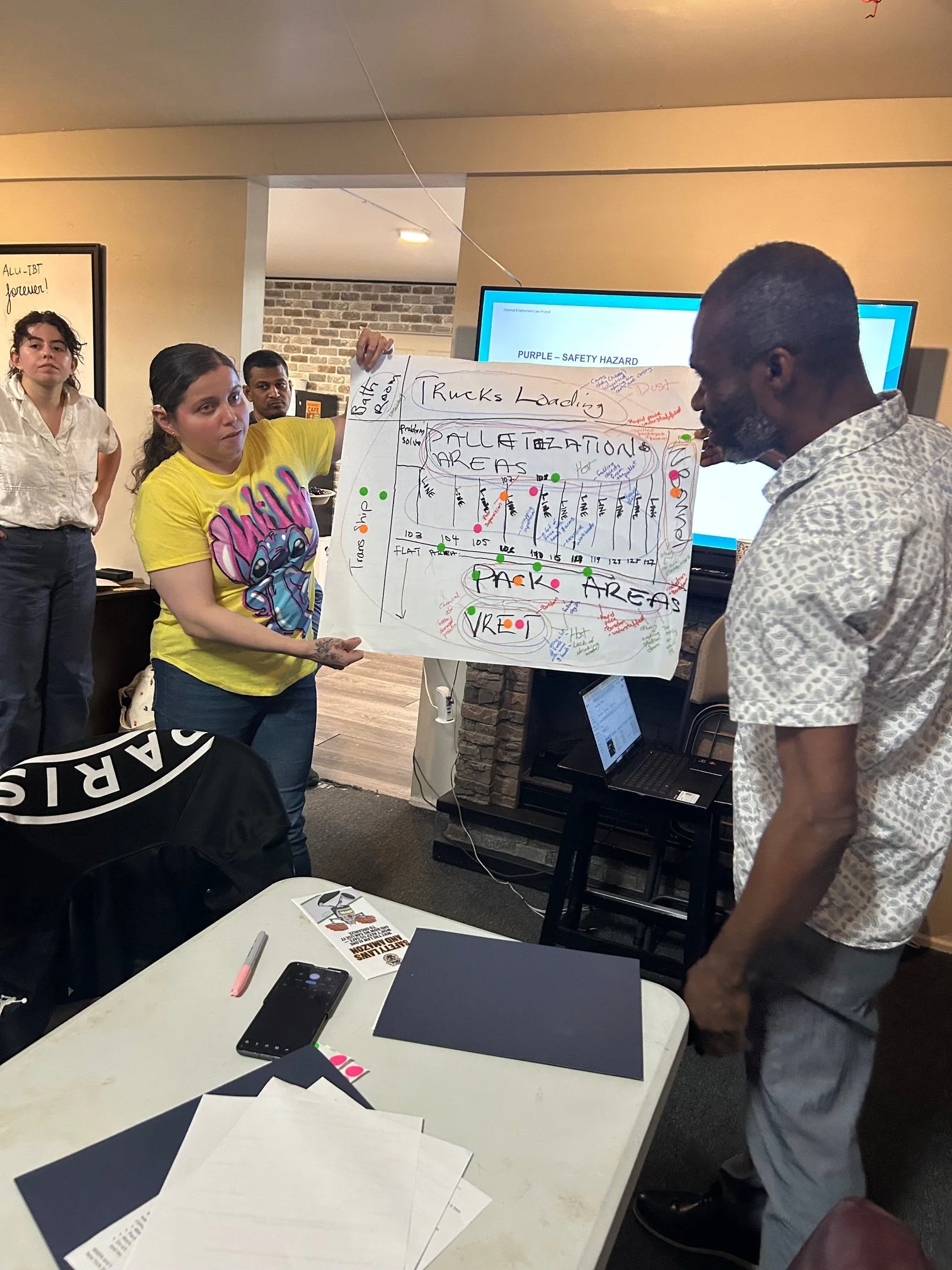
In collaboration with Athena Coalition and National Employment Law Project, we conducted OSHA “Know Your Rights” train-the-trainer programs with steward leadership to equip workers with the tools to educate their peers. These trainings focused on empowering workers to assert their right to refuse unsafe work and to understand and defend their workplace safety protections.
We formalized our pre-contract grievance system that enables workers to fight productivity write-ups, navigate workers’ compensation and accommodations processes, and collectively organize around ongoing safety concerns.
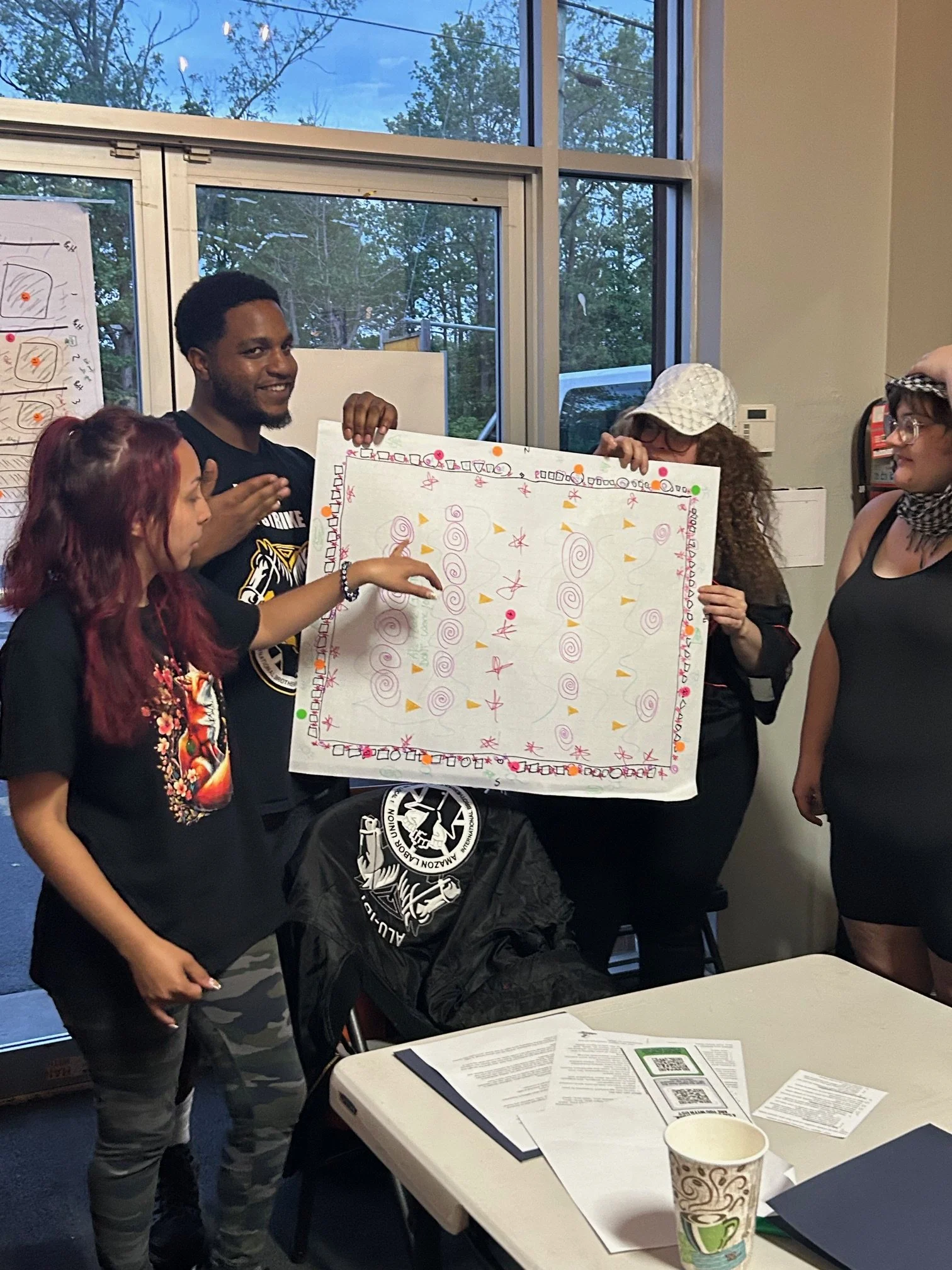
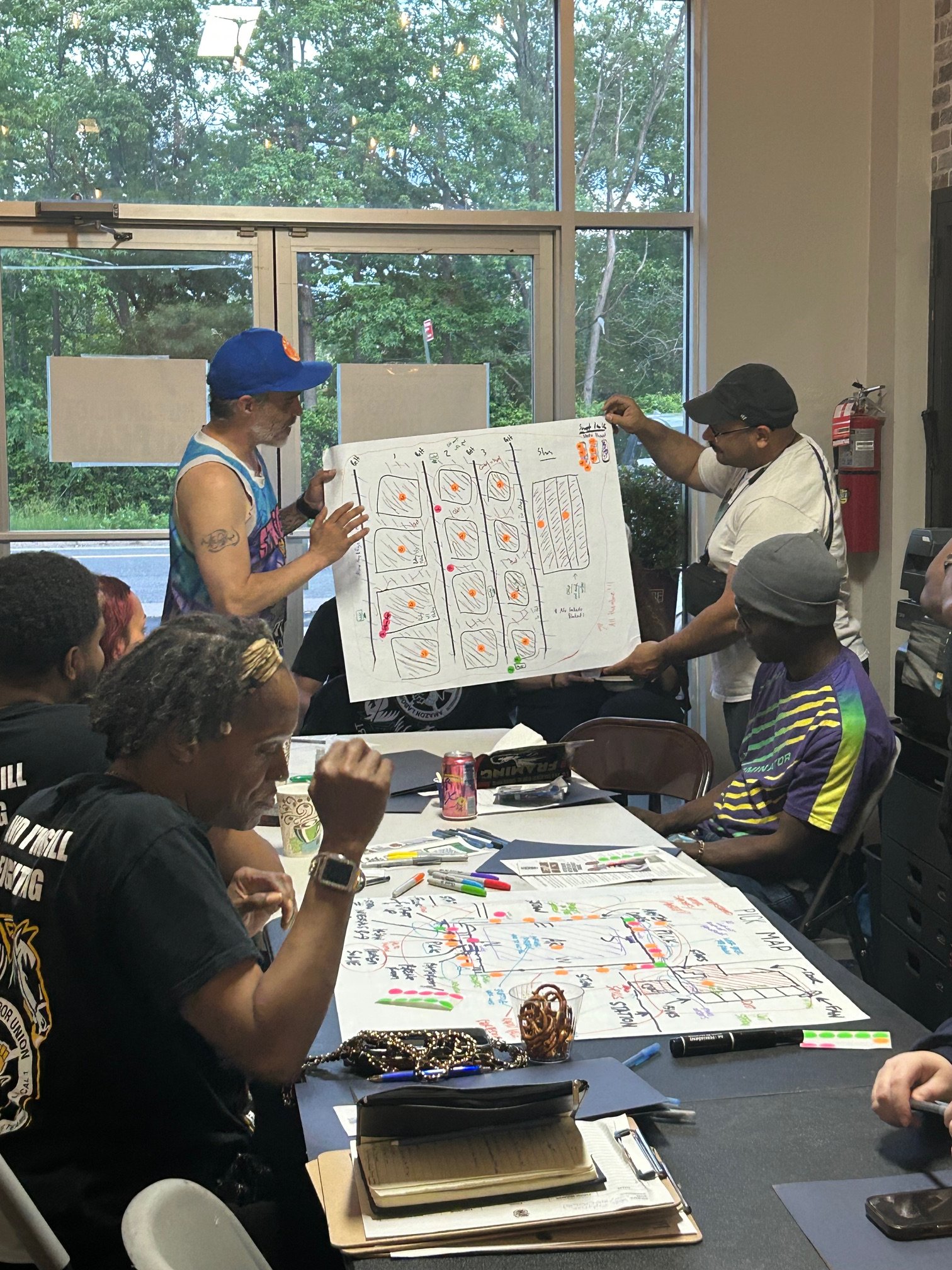
2. Shop Floor Action & Victories
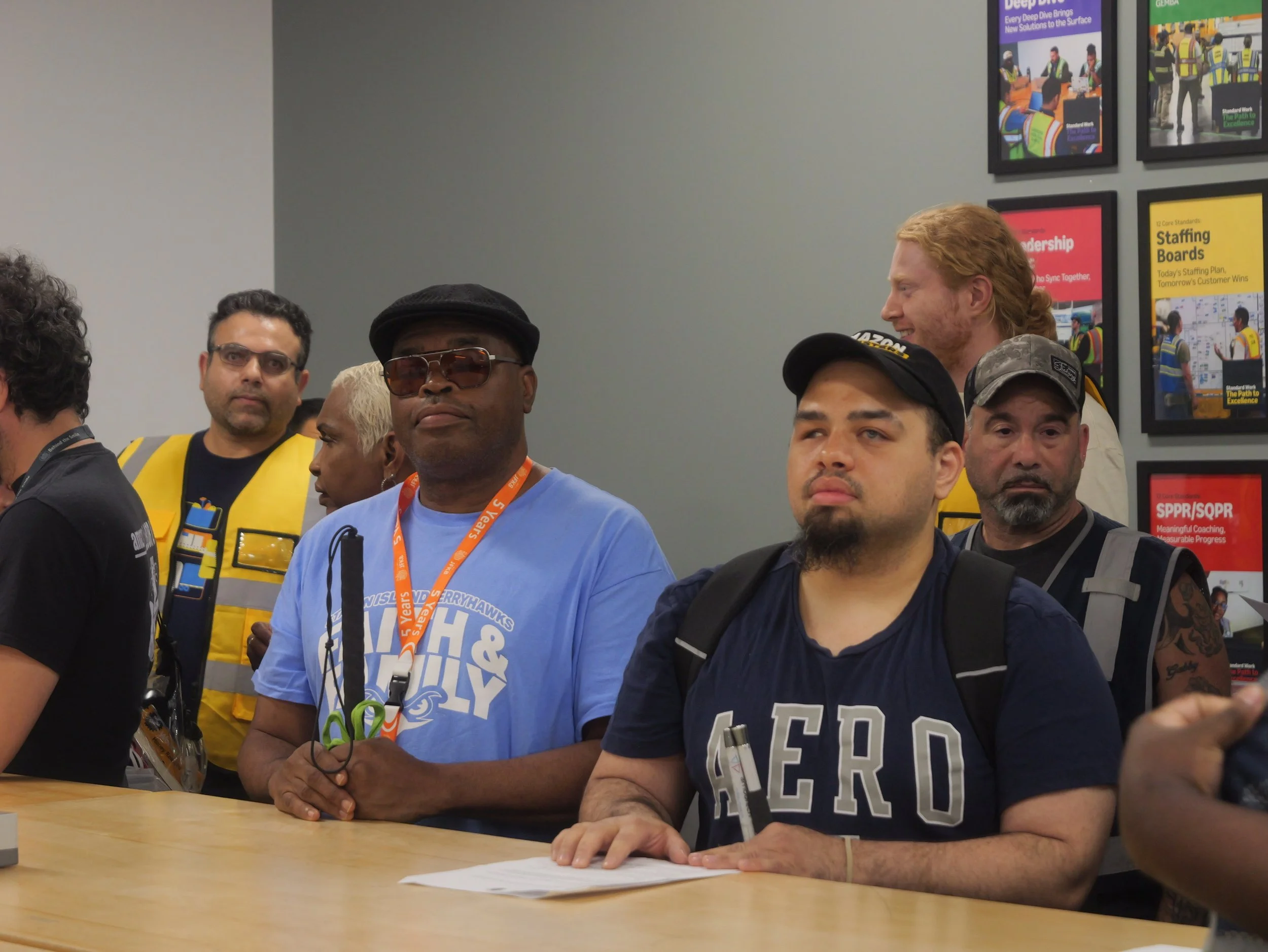
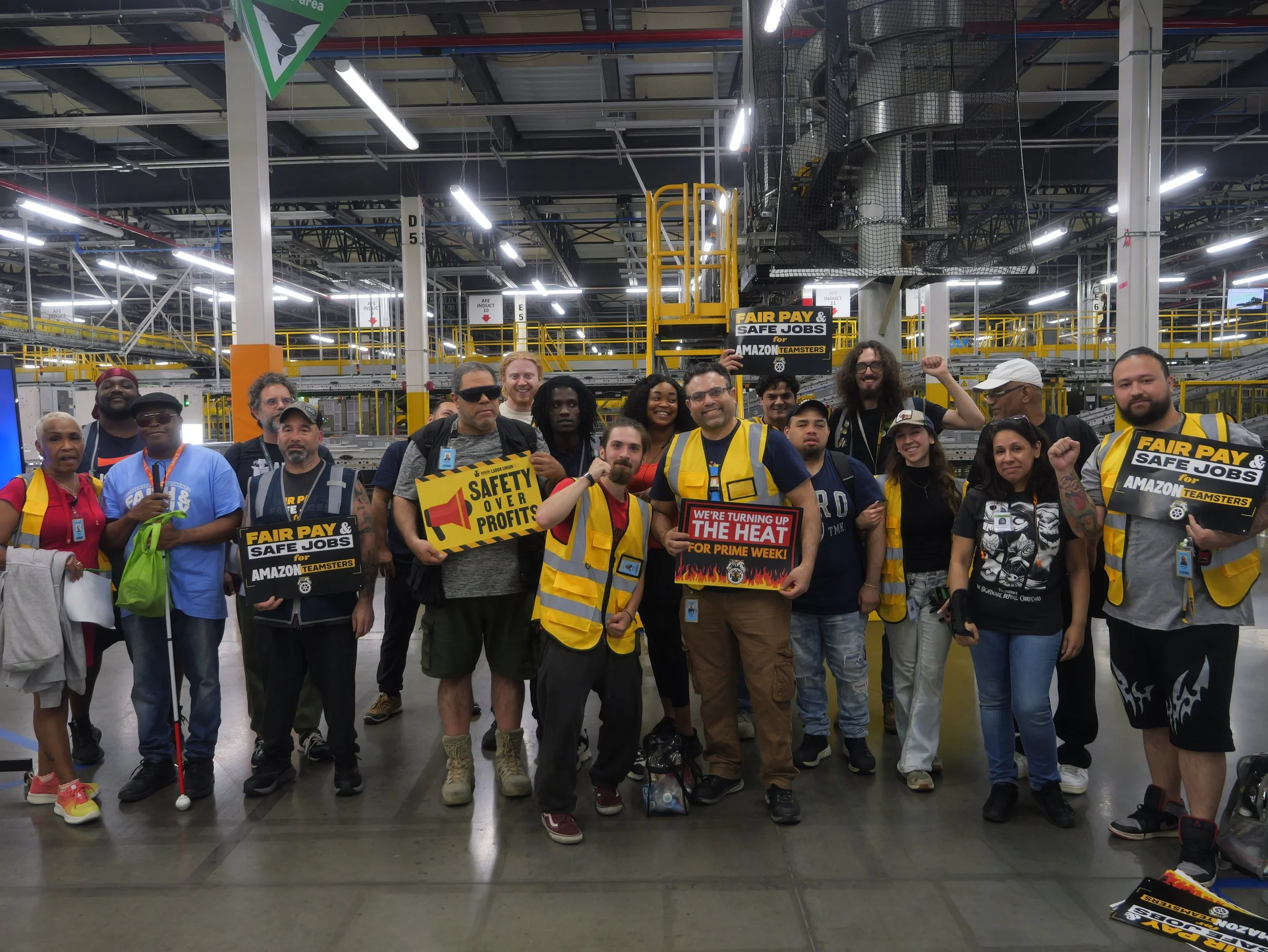
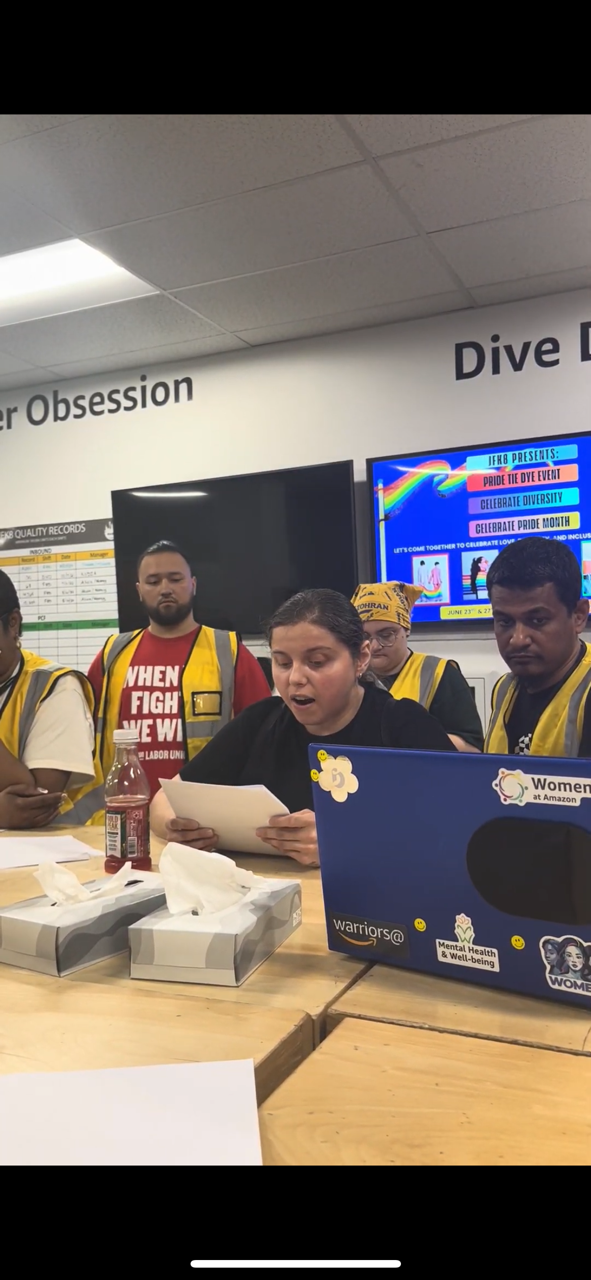
We organized more than six marches on the boss, mobilizing workers across departments to directly confront management around the demands in our Safety Bill of Rights. These actions resulted in major wins secured through direct action, including a full building closure at JFK8 to install a new HVAC system addressing extreme heat and guaranteed ASL interpretation for Deaf workers.
We also conducted two emergency marches in response to acute safety crises, including a worker fatality and exposure to raw sewage flooding inside the facility. In both cases, workers acted collectively and urgently to demand immediate intervention and accountability from management.
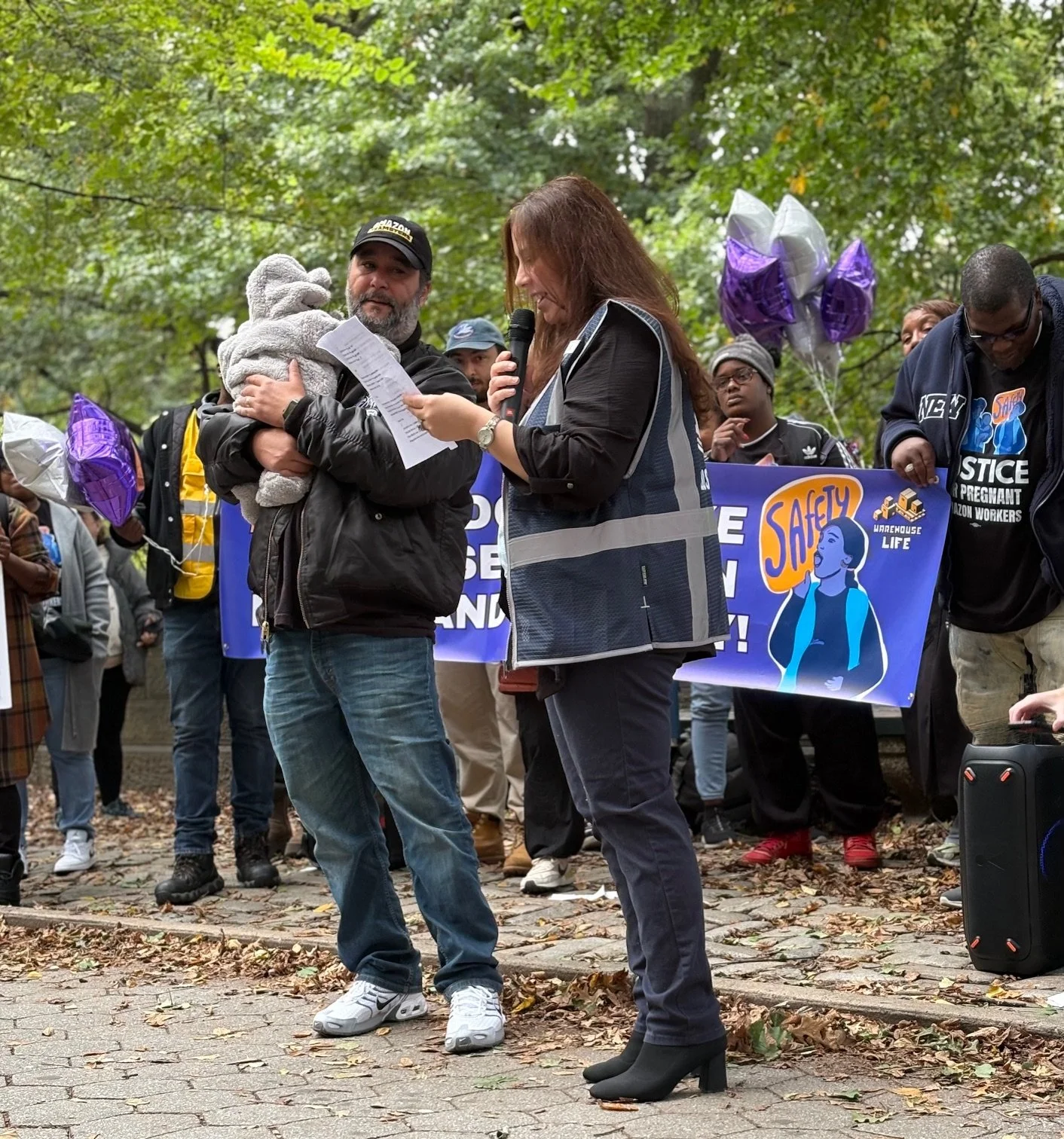
3. Expanding Worker-Led Committees
We launched our Disabled Workers Committee, creating a dedicated organizing space for workers with disabilities as well as those who got debilitating injuries on the job. This committee is led by impacted workers and serves as a base for collective support, advocacy, and leadership development around disability justice in the workplace.
We expanded our Women’s Committee by organizing around issues of pregnancy discrimination and accommodation violations on the shop floor. This work helped surface widespread patterns of mistreatment while identifying and developing new worker-leaders through issue-based organizing. This organizing directly contributed to worker participation in a class action lawsuit filed by A Better Balance, aimed at holding the company accountable for its mistreatment of pregnant workers.
4. Legal, Policy & Enforcement Campaigns
We partnered with statewide organizations, including ALIGN and the New York for a Fair Economy coalition, to push the NY Department of Labor for real enforcement of the NY Warehouse Worker Injury Reduction Program (WWIRP), which went into effect in June 2025.
In collaboration with NYCOSH, we organized workers to lobby for the TEMP Act, building pressure for statewide standards on extreme temperature protections. Workers spoke directly to legislators about dangerous heat conditions inside Amazon facilities.
We helped develop legislation with the Teamsters and the office of Council Member Tiffany Cabán to license last-mile delivery facilities, with the goal of directly challenging Amazon’s subcontracting model by attaching enforceable labor and safety standards to a company’s ability to operate.